The Interplay of Loyalty Incentives and Transaction Choices in Portable Gaming Platforms
Kai Powell · Aug 19, 2026
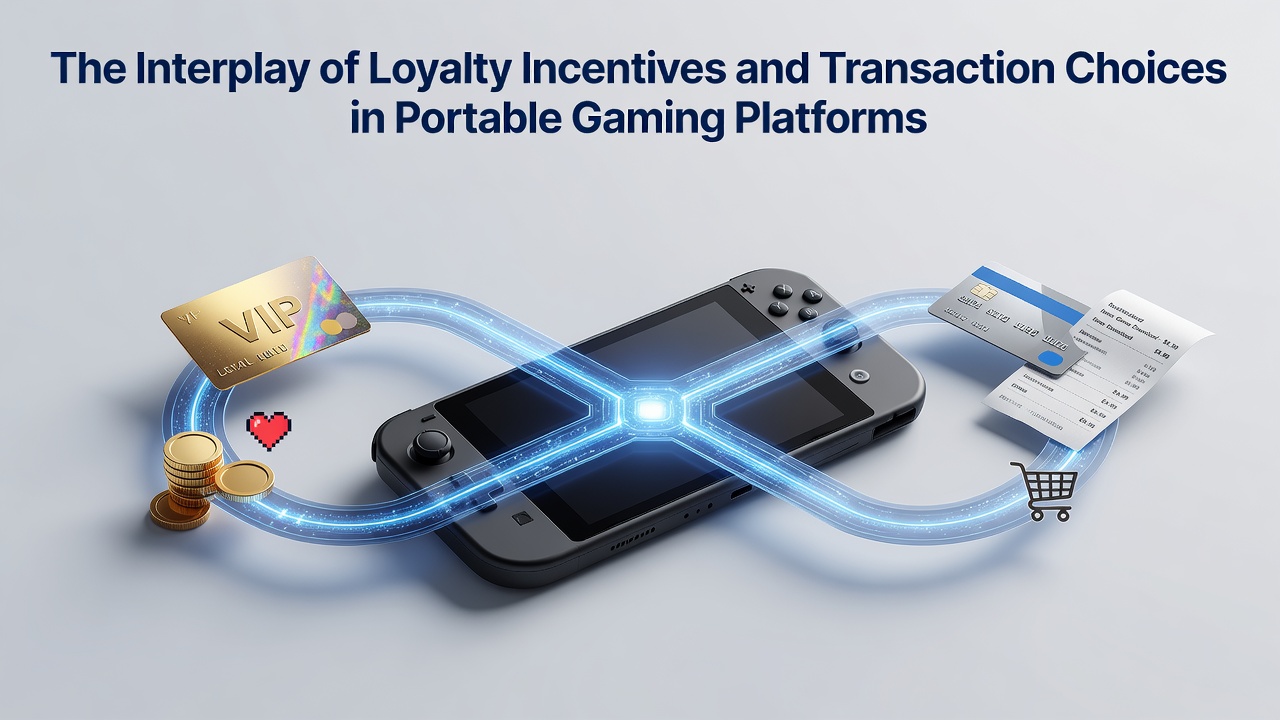
The Interplay of Loyalty Incentives and Transaction Choices in Portable Gaming Platforms
Portable gaming platforms have expanded rapidly since 2024, and loyalty incentives now shape how users select deposit and withdrawal methods across mobile applications. Data from industry reports indicate that reward structures tied to specific transaction types influence player retention rates, with platforms adjusting bonus multipliers based on payment speed and currency type. Observers note that users frequently choose methods offering instant crediting because those options unlock higher tier progressions in loyalty programs.
Loyalty Structures and Their Direct Link to Payments
Many portable platforms operate tiered systems where accumulated points determine access to exclusive transaction perks, such as reduced fees or priority processing for withdrawals. Research from academic sources shows that players who consistently use designated e-wallets or prepaid cards earn points at accelerated rates compared to those opting for traditional bank transfers. This connection creates measurable patterns, as figures from August 2026 reveal a 12 percent increase in e-wallet adoption among users enrolled in active loyalty programs across North American and European markets.
Transaction choices also affect eligibility for time-limited promotions, where platforms require minimum deposit amounts processed through approved channels to qualify for bonus rounds or extra spins. Experts have observed that these requirements steer users toward cryptocurrency options in regions where regulatory frameworks support faster settlement times, leading to higher overall point accumulation within shorter periods.
Regional Variations in Transaction Preferences
Patterns differ by jurisdiction, with data from the Pennsylvania Gaming Control Board highlighting stronger integration of loyalty-linked debit card transactions in state-regulated mobile markets. In contrast, Canadian provincial reports indicate growing preference for loyalty points earned through instant bank transfer methods, particularly during promotional windows that coincide with major sporting events. Those who've examined cross-border data note that platforms adjust incentive formulas seasonally to align with local banking habits and regulatory limits on transaction volumes.
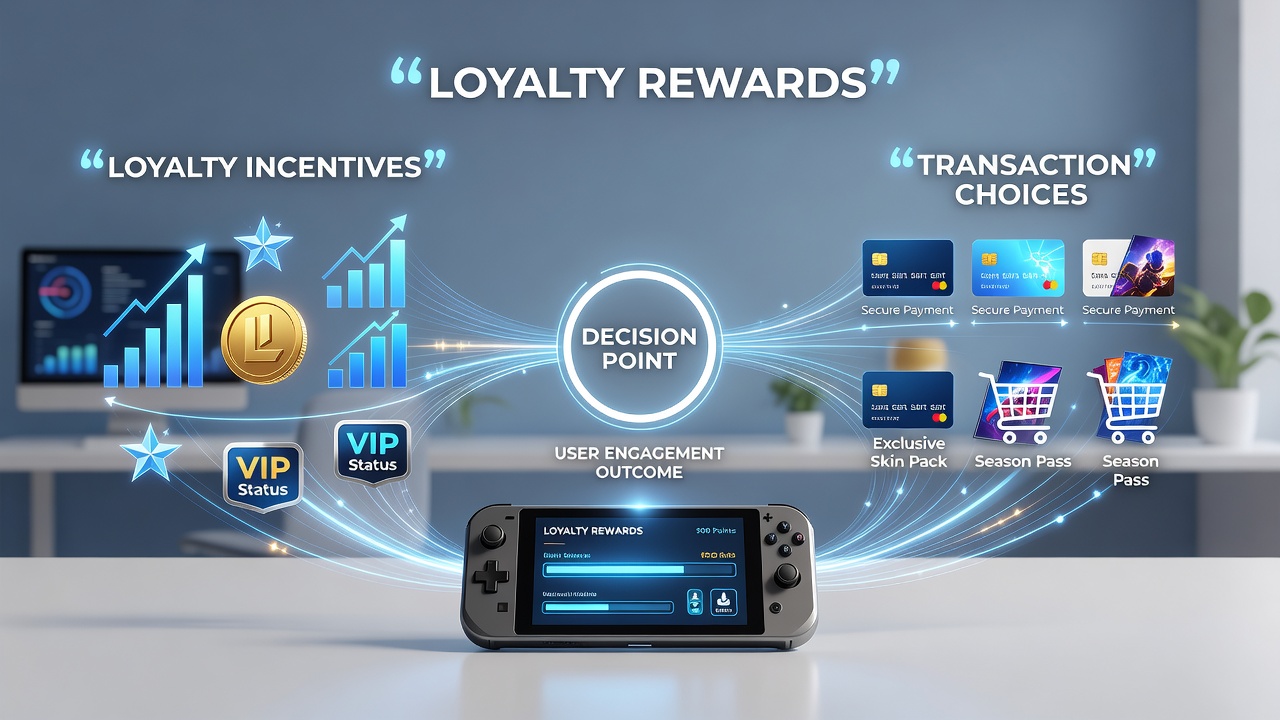
August 2026 brought additional clarity when several operators updated their systems to track transaction history alongside loyalty metrics in real time. This synchronization allows platforms to offer personalized incentives, such as cashback percentages scaled according to the frequency of specific payment selections. Studies conducted by research institutions found that users exposed to these dynamic offers maintained higher engagement levels over three-month periods compared to control groups without tailored rewards.
Behavioral Data and Platform Adjustments
Analytics platforms report that loyalty incentives tied to transaction speed produce distinct user segments, with high-volume players favoring methods that accelerate point accrual while casual participants select slower but more familiar options. One study revealed that integration of loyalty dashboards directly within payment interfaces increased the selection rate of promoted transaction types by measurable margins in tested applications. Platforms respond by refining algorithms that match user history to available incentives, ensuring that transaction choices feed back into reward eligibility without disrupting session flow.
Further evidence from industry associations demonstrates that portable platforms using layered incentive models experience lower churn rates when transaction options remain synchronized with loyalty progression. This interplay extends to withdrawal processes, where loyalty tier status can unlock expedited handling for certain payment rails, creating a feedback loop that encourages continued platform use.
Conclusion
The documented relationship between loyalty incentives and transaction selections continues to evolve as portable gaming platforms refine their systems based on aggregated user data. Reports from multiple regulatory and research bodies confirm that these mechanics affect adoption rates of various payment methods across different regions. As August 2026 trends show sustained alignment between reward structures and transaction preferences, platforms maintain focus on technical integrations that support this dynamic without altering core gameplay elements.