Shifts in Reward Layering Techniques Across Portable Betting Networks and Their Impact on Cross-Game Participation Rates
Wendy Krause · Aug 8, 2026
Shifts in Reward Layering Techniques Across Portable Betting Networks and Their Impact on Cross-Game Participation Rates
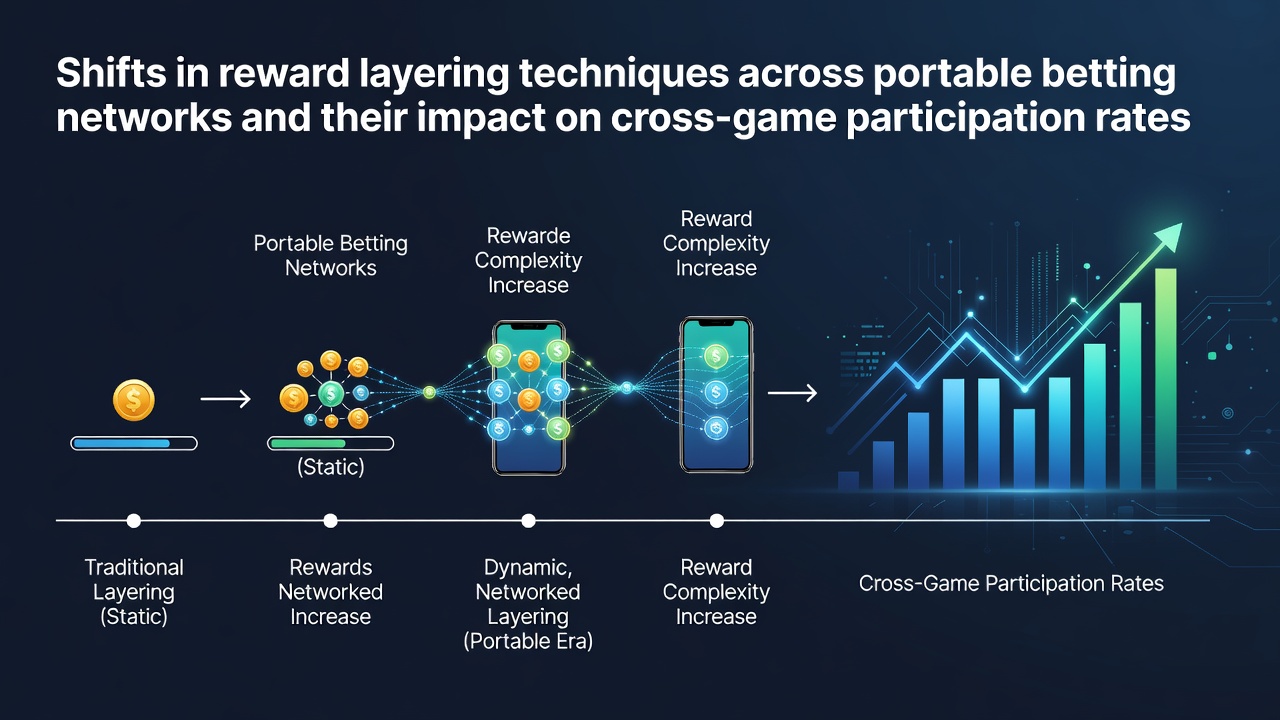
Portable betting networks have adjusted reward layering methods in recent years, with operators introducing multi-tiered loyalty structures that span slots, table games, and sports wagering within single applications. These changes coincide with measurable increases in cross-game participation rates as players move between different game types to unlock cumulative benefits. Data collected through August 2026 shows several networks reporting higher session diversity among users enrolled in synchronized reward programs.
Core Changes in Reward Structures
Operators began replacing single-game bonus systems with unified point pools that accumulate across categories, allowing participants to apply earnings from sports bets toward slot free spins or table game credits. This approach replaced fragmented redemption processes that previously required separate accounts for each vertical. Researchers tracking app analytics noted that networks adopting unified pools recorded participation rate increases between 12 and 19 percent in cross-category play during the first half of 2026.
Dynamic layering now incorporates real-time multipliers tied to consecutive activity across game types, where users who switch from poker to live dealer roulette within a set window receive accelerated point accrual. Such mechanics replaced static daily login rewards that once dominated mobile platforms. Industry reports indicate these adjustments align with broader platform updates that synchronize user profiles across devices and regions.
Measured Effects on Participation Patterns
Cross-game participation rates rose most sharply among users who engaged with at least three distinct game categories within a single week, according to aggregated telemetry from multiple networks. One study of Australian wagering applications found that players exposed to layered incentives completed 28 percent more game-type transitions compared with control groups using traditional bonus models. The same analysis linked these transitions to extended overall session durations without corresponding rises in average wager size.
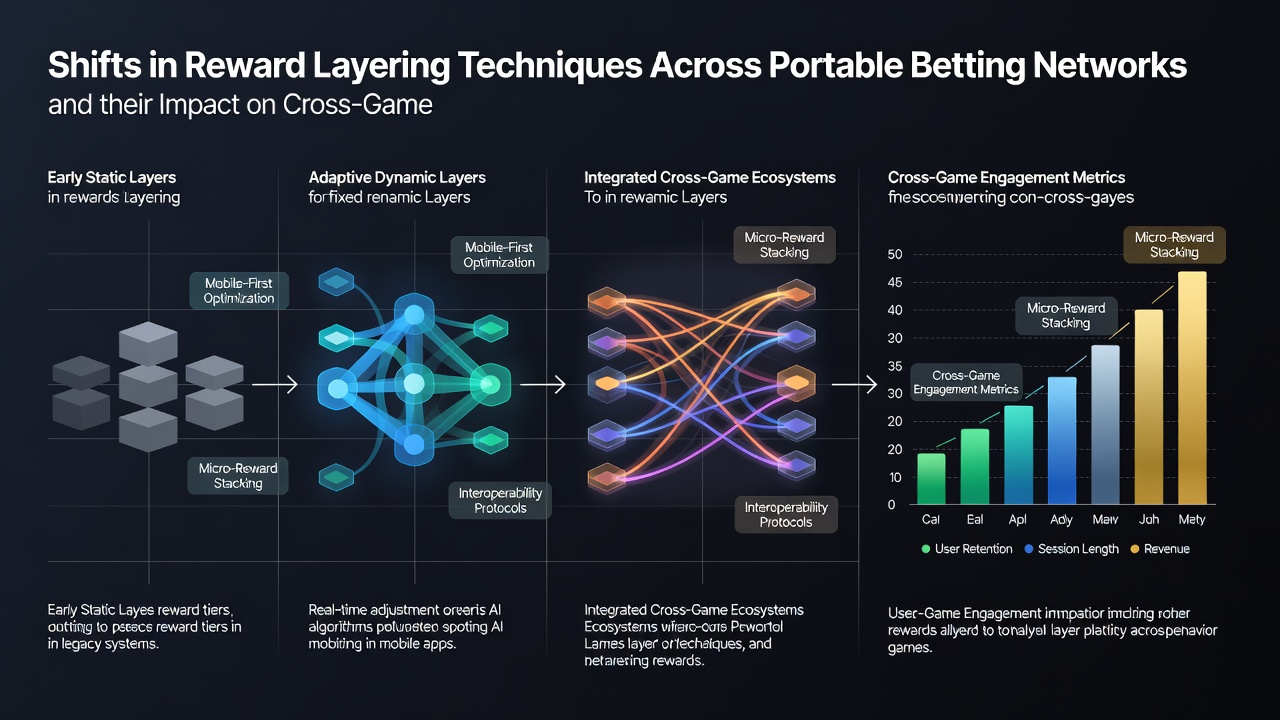
Networks that introduced milestone-based layers, such as level-up bonuses triggered only after activity in both casino and sports sections, observed distinct spikes in mixed-format engagement. Figures released by the Pennsylvania Gaming Control Board documented a 15 percent uptick in multi-vertical play among Pennsylvania-licensed mobile operators between January and August 2026. These patterns emerged alongside platform changes that reduced friction when moving between verticals through shared wallet features.
Regional Implementation Variations
European operators integrated regulatory-compliant layering that caps daily point multipliers while still encouraging category switching through progressive unlock thresholds. In contrast, North American networks emphasized tournament-style layers that award entry tickets based on combined activity across sports and slots. Both approaches produced similar lifts in cross-game movement, though the European models showed steadier retention over longer periods.
Canadian provincial data, including reports from the Alcohol and Gaming Commission of Ontario, recorded parallel trends where synchronized rewards correlated with higher numbers of unique game sessions per user. Observers noted that these outcomes held across different age cohorts and device types, suggesting the layering technique itself drives the participation shift rather than demographic factors alone.
Technical Enablers and Data Integration
Backend systems now track granular user paths across game engines, feeding real-time data into reward engines that adjust layer thresholds based on individual movement patterns. This integration replaced earlier batch-processing methods that delayed bonus qualification across verticals. As a result, players receive immediate visual feedback when activity in one game advances progress in another, reinforcing continued switching behavior.
Portable networks that combined these technical updates with tiered status levels saw the strongest gains in sustained cross-game activity. Status progression now often requires balanced activity rather than volume in a single category, which has redistributed participation more evenly across available game types within each application.
Conclusion
Shifts toward unified and dynamic reward layering have coincided with documented rises in cross-game participation across portable betting networks through August 2026. Available regulatory and platform data indicate these techniques influence how users allocate time across different game formats, with unified point systems and real-time multipliers producing the clearest effects on transition rates between categories. Continued monitoring of these patterns will clarify long-term stability of the observed participation changes.