Seasonal Variations in Game Selection Preferences Among Users of Integrated Betting Applications
Wendy Krause · Jun 15, 2026
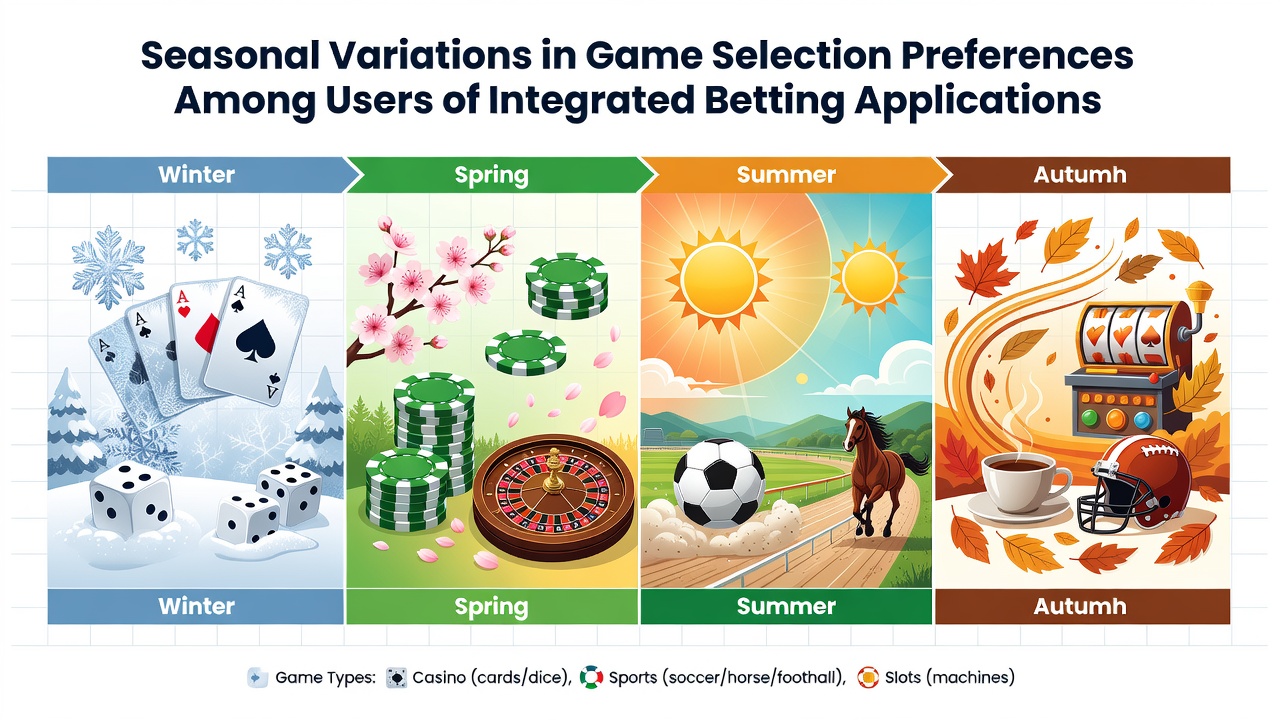
Seasonal Variations in Game Selection Preferences Among Users of Integrated Betting Applications
Integrated betting applications track user activity across multiple game types and data from these platforms reveals clear patterns tied to seasonal changes, with preferences shifting based on weather conditions, major sporting events, and holiday periods that influence how people allocate their time and attention within the apps.
Winter Patterns in Game Selection
During colder months users gravitate toward indoor-focused options such as slot machines and table games, while data indicates higher engagement with live dealer features and virtual casino environments that provide extended sessions without requiring outdoor activity. Research from the Victorian Commission for Gambling and Liquor Regulation shows increased selections of blackjack and roulette variants between December and February, coinciding with shorter daylight hours and holiday downtime that encourages prolonged app interactions. Observers note these trends hold across multiple regions where winter sports like hockey and basketball also drive parallel increases in live betting features integrated into the same applications.
Summer Shifts Toward Sports and Outdoor Events
As temperatures rise and major leagues transition into baseball and soccer seasons, application data shows a marked preference for sports wagering modules over pure casino games, with users selecting real-time odds and event-specific promotions more frequently. In June 2026 reports from integrated platforms highlighted elevated activity in baseball betting and golf tournaments, reflecting how seasonal calendars align with user choices and encourage shorter, event-driven sessions rather than extended play. Those who monitor app analytics find that summer months bring spikes in mobile notifications tied to outdoor events, which in turn steer selections away from slots and toward dynamic sports interfaces that update with live scores and in-play options.
Spring and Fall Transitions
Spring brings transitional behaviors where users blend lingering winter casino preferences with emerging sports such as baseball openings and basketball playoffs, creating hybrid patterns that researchers track through session length and game category switches within single app visits. Fall presents another distinct phase marked by football and rugby seasons, during which betting applications record elevated use of parlay features and multi-sport combinations that integrate seamlessly with the core casino offerings. Studies compiled by the Australian Gambling Research Centre demonstrate these quarterly variations remain consistent year over year, with statistical models confirming correlations between external calendars and in-app navigation choices across diverse user demographics.
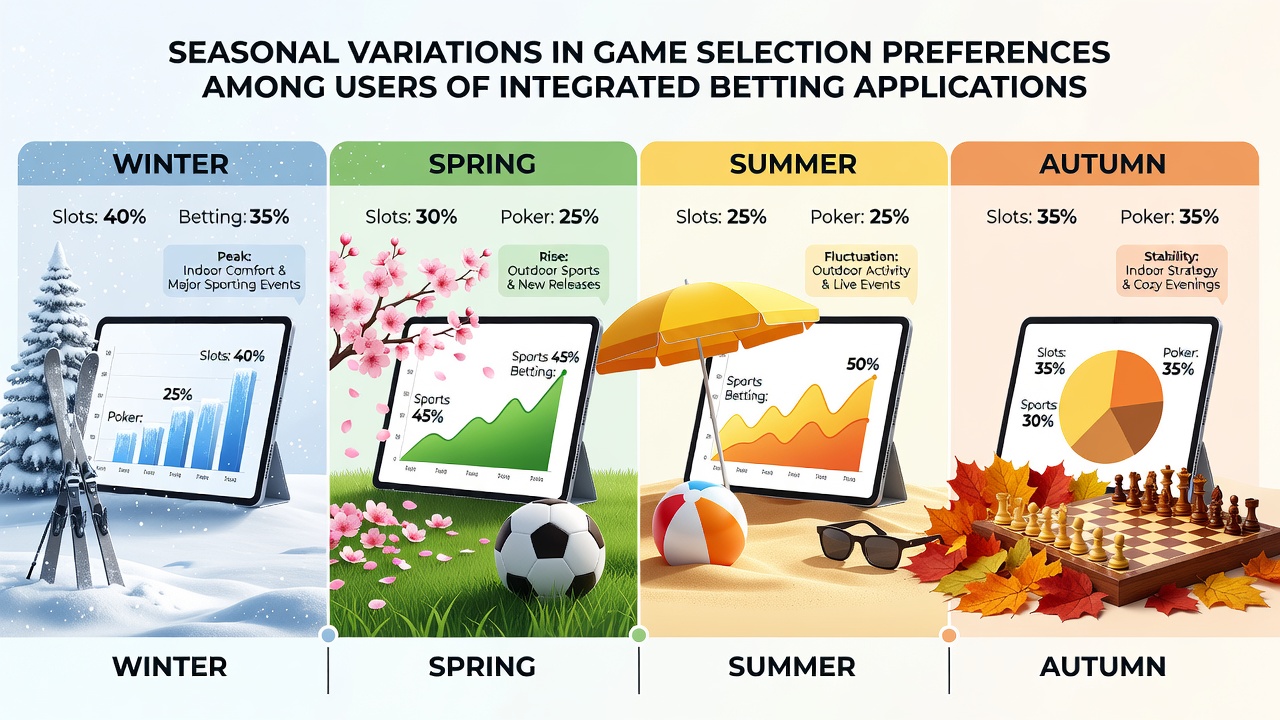
What's interesting is how holiday clusters within seasons amplify certain selections, for example around major cultural events that prompt users to explore themed slot content or special sports markets that appear only temporarily in the application interface. Platform operators adjust algorithmic recommendations accordingly, surfacing relevant games based on historical seasonal data rather than static user profiles.
Factors Driving These Variations
Weather data combined with application telemetry shows direct links between outdoor conditions and game type duration, while economic indicators such as disposable income fluctuations during peak travel periods also correlate with shifts toward lower-stake quick-play options. Regulatory reports from the Netherlands Gambling Authority further illustrate how cross-border users exhibit similar seasonal rhythms despite differing local climates, suggesting that global sporting calendars exert stronger influence than regional weather alone. Those analyzing loyalty program metrics observe that reward redemption patterns follow these same cycles, with points accumulated during high-engagement sports months often redeemed against casino bonuses in quieter periods.
Application developers incorporate these insights into interface design, dynamically promoting categories that match observed seasonal demand and thereby maintaining consistent engagement levels throughout the year. Evidence from multiple platform audits confirms that failure to adapt recommendations leads to measurable drops in session frequency during transition months.
Conclusion
Seasonal variations in game selection within integrated betting applications reflect measurable responses to external calendars, sporting schedules, and environmental factors that together shape user navigation choices across different times of year. Data collected through 2026 continues to validate these recurring patterns, providing operators with reliable frameworks for anticipating demand and refining feature delivery. As tracking capabilities advance, the precision of these seasonal models improves, allowing applications to align offerings more closely with documented user behaviors across regions and timeframes.