Regional Regulatory Shifts Influencing Cryptocurrency Integration Patterns Within Cross-Border Sports Wagering Networks
Klara Griffin · Jun 6, 2026
Regional Regulatory Shifts Influencing Cryptocurrency Integration Patterns Within Cross-Border Sports Wagering Networks
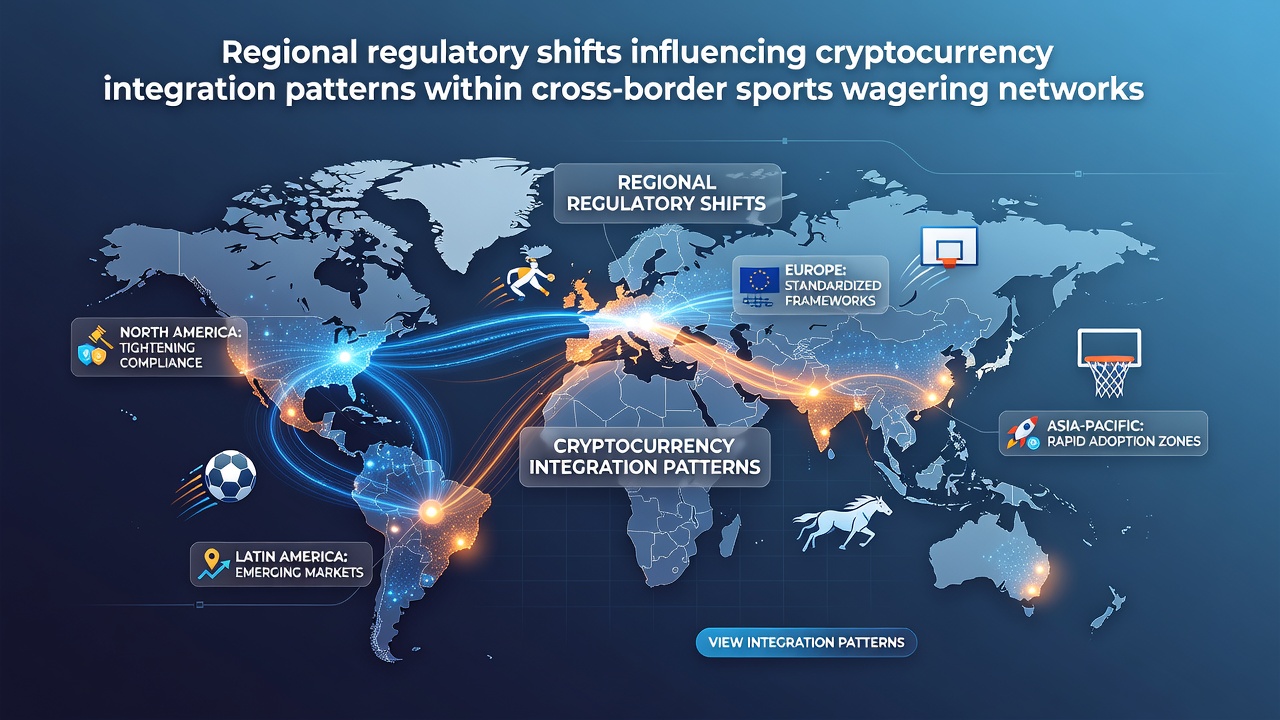
Regional regulatory changes have begun altering how cryptocurrency integrates into cross-border sports wagering networks, and these adjustments reflect differing approaches to digital asset oversight across major jurisdictions. In the United States, state-level frameworks continue to evolve alongside federal guidance on virtual currencies, which creates varied requirements for platforms serving international users while maintaining compliance with anti-money laundering standards. Observers note that operators must navigate these layers carefully because mismatched rules between states and neighboring countries can disrupt seamless transaction flows.
North American Developments and Platform Adjustments
Canadian authorities through FINTRAC have expanded reporting obligations for crypto transactions linked to wagering activities, and this expansion affects networks that connect Canadian bettors with offshore sportsbooks. Data from industry analyses indicate that platforms responded by implementing enhanced verification protocols, which in turn slowed some cross-border settlements during early 2026. Meanwhile, several U.S. states updated their gaming statutes to address cryptocurrency directly, requiring licensed operators to partner only with approved digital asset custodians that meet specific security benchmarks. Those adjustments have prompted networks to reroute certain transaction pathways away from higher-scrutiny corridors and toward jurisdictions with clearer licensing pathways.
European Frameworks and MiCA Implementation
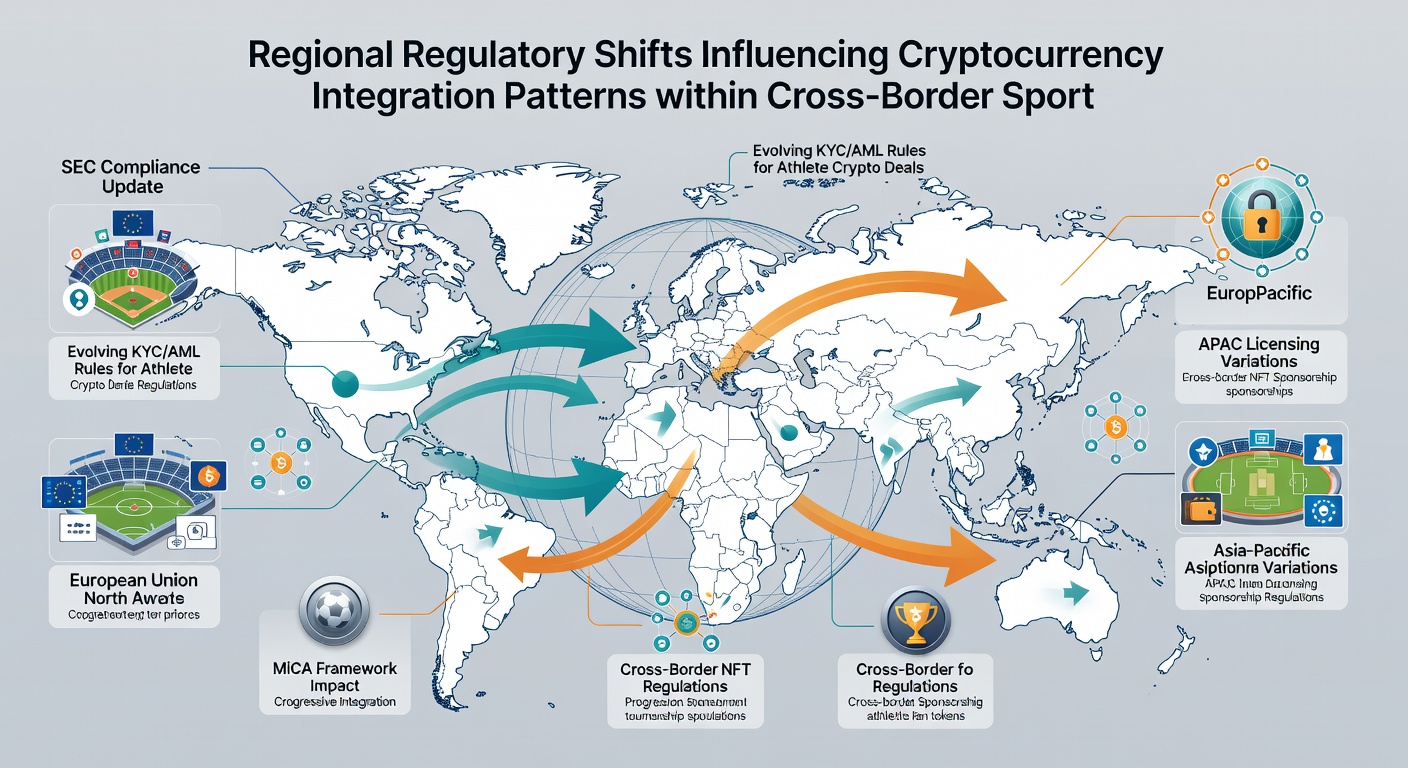
The European Union's Markets in Crypto-Assets regulation, known as MiCA, reached key enforcement milestones by mid-2026, and it imposes uniform standards on stablecoin issuers and crypto service providers that many sports wagering platforms rely upon for instant payouts. Research from the European Securities and Markets Authority shows that these standards have led networks to consolidate their payment rails through authorized entities, which reduces fragmentation across member states yet increases operational costs for smaller operators. Cross-border platforms serving both EU and non-EU markets have therefore adopted dual-track systems, one that satisfies MiCA disclosure rules and another that accommodates regions with less stringent digital asset requirements.
Asia-Pacific Regulatory Variations
Countries across the Asia-Pacific region present contrasting pictures, with Singapore maintaining strict licensing for crypto service providers that interface with betting operators while Australia’s AUSTRAC continues to refine travel rule compliance for international transfers. Figures from regional trade associations reveal that operators have shifted integration strategies toward stablecoins issued under Singapore’s regulated framework when serving Southeast Asian markets, because these assets offer clearer audit trails. At the same time, Japanese authorities have signaled potential expansions of their payment services act to cover wagering-related crypto activity, prompting networks active in that corridor to pre-emptively enhance their compliance documentation ahead of any formal June 2026 announcements.
Impact on Network Architecture and Transaction Patterns
These regulatory divergences have produced measurable changes in how cross-border sports wagering networks structure their cryptocurrency layers. Platforms increasingly employ geo-fenced wallets that automatically apply the strictest applicable rule set based on user location, and this approach minimizes compliance conflicts while preserving transaction speed where possible. Industry reports document a rise in the use of permissioned blockchain solutions that allow regulators in multiple jurisdictions to access selected transaction data without exposing full user histories, thereby balancing transparency demands with privacy expectations. Operators have also begun favoring cryptocurrencies with built-in compliance features, such as those that embed KYC metadata, because these assets align more readily with evolving global standards.
Emerging Patterns in June 2026
By June 2026, several networks had completed migrations toward hybrid models that combine traditional banking rails for high-value transfers with cryptocurrency options for micro-transactions, and this hybrid structure reflects the need to satisfy both legacy financial regulations and newer digital asset rules simultaneously. Observers have tracked increased collaboration between wagering platforms and licensed crypto exchanges in jurisdictions such as Canada and the European Union, where joint ventures help distribute regulatory risk. The resulting integration patterns show higher adoption rates of regulated stablecoins over volatile cryptocurrencies, particularly in markets where capital controls or tax reporting requirements apply to cross-border flows.
Conclusion
Regional regulatory shifts continue to reshape cryptocurrency integration within cross-border sports wagering networks through layered compliance demands, technology adaptations, and strategic rerouting of transaction pathways. Data from multiple oversight bodies demonstrate that operators prioritize alignment with the most comprehensive frameworks to maintain operational continuity across borders, and this prioritization has produced more standardized yet regionally adapted payment ecosystems. As jurisdictions refine their approaches, networks will likely sustain incremental adjustments to keep pace with new requirements while preserving the efficiency that cryptocurrency offers for international sports wagering.