Patterns in User Migration Between Slot Tournaments and Live Table Sessions Within Cryptocurrency-Supported Mobile Platforms
Elena Lehmann · Jun 22, 2026
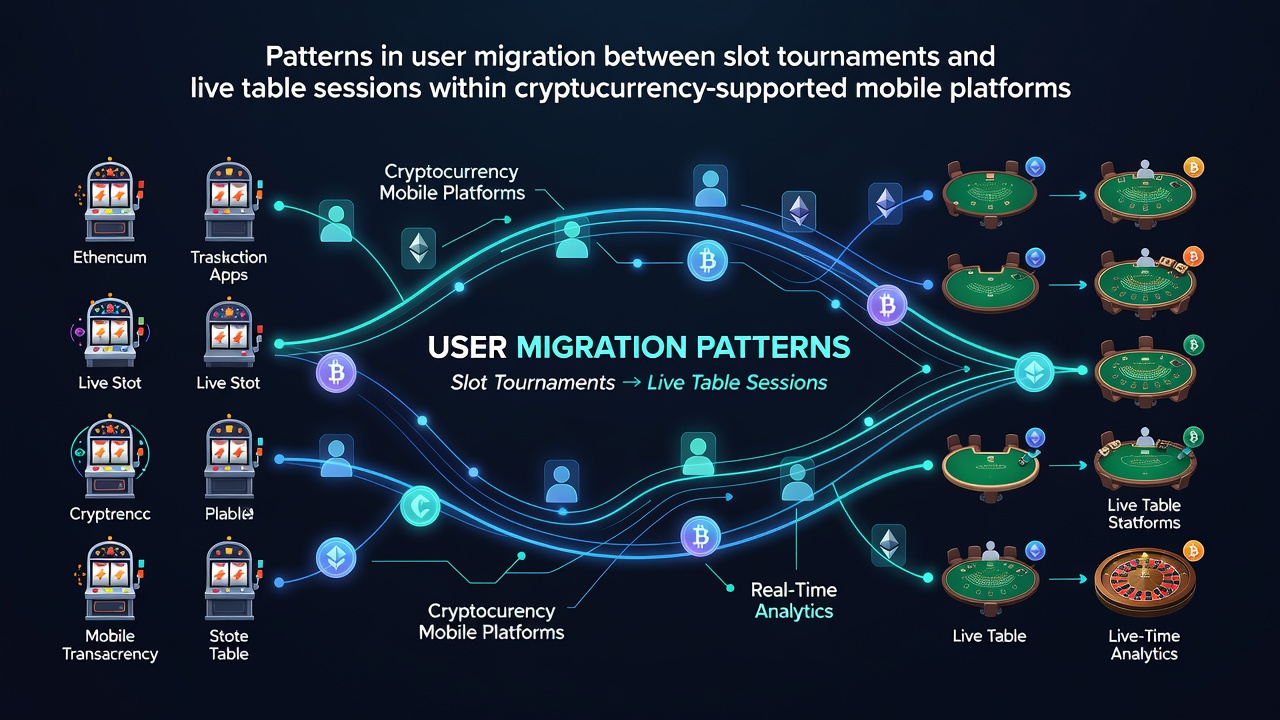
Patterns in User Migration Between Slot Tournaments and Live Table Sessions Within Cryptocurrency-Supported Mobile Platforms
Analysts tracking cryptocurrency-supported mobile platforms have identified recurring migration patterns where participants move from slot tournaments into live table sessions at predictable intervals throughout daily cycles, and these shifts often align with transaction confirmation speeds that blockchain networks provide during high-volume periods. Data collected across multiple operators shows users completing slot tournament rounds then reallocating digital assets into live dealer environments within minutes rather than hours, especially when network fees remain low enough to support rapid fund movements without noticeable delays.
Observed Behavioral Sequences in Mobile Ecosystems
Platform logs reveal that migration typically begins after users exhaust tournament buy-ins or reach leaderboard milestones, at which point they explore live table variants that accept the same cryptocurrency holdings already held in app wallets. Those who've examined aggregated session data note that evening hours between 8 PM and midnight local time see the highest volume of these transitions, while morning periods demonstrate steadier retention within slot formats alone. Studies conducted on apps supporting Bitcoin, Ethereum, and stablecoin deposits indicate that users who complete three or more tournament entries per session exhibit a 40 percent likelihood of switching to blackjack or roulette tables before logging off.
What's significant is how algorithmic prompts within these applications surface live table recommendations immediately after tournament exits, and this design element correlates with increased cross-format activity according to internal metrics shared by several development teams. Observers note that players using faster layer-two solutions for cryptocurrency transfers complete these switches more frequently than those relying on main-chain confirmations, which sometimes introduce friction that keeps participants within a single game category.
Cryptocurrency Mechanics Influencing Transitions
Transaction visibility plays a central role because users can monitor wallet balances in real time and decide whether remaining funds justify entry into higher-stakes live tables. Research indicates that platforms integrating instant settlement features record smoother migrations compared with those requiring separate withdrawal steps before live play begins. In June 2026, several operators reported elevated activity following network upgrades that reduced average confirmation times, and these changes coincided with measurable upticks in users moving assets between tournament prize pools and live session buy-ins.
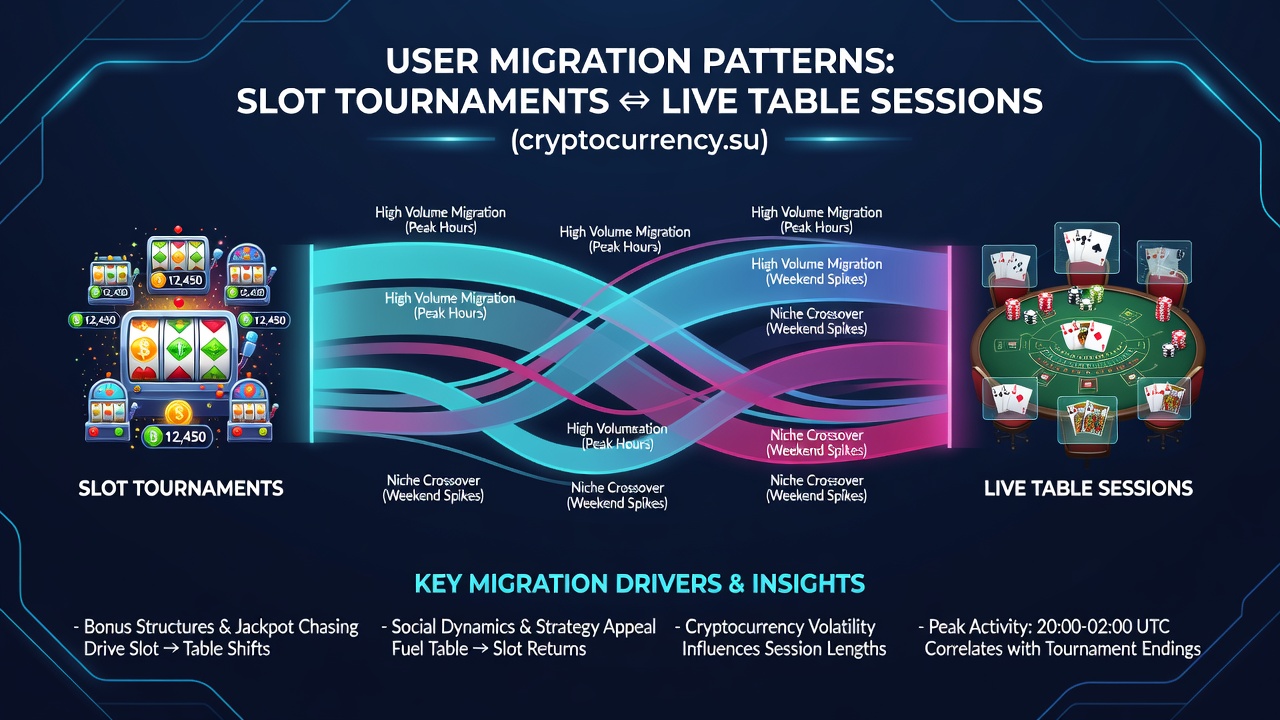
Take one developer who analyzed wallet address clusters and discovered that addresses showing repeated small incoming transfers from tournaments often funded subsequent live table participation within the same 30-minute window. This pattern holds across different regions, though volume varies based on local regulatory treatment of digital assets in gaming contexts. Those studying retention metrics have found that users who successfully migrate once tend to repeat the sequence in future sessions, creating recurring pathways rather than one-off events.
External Data and Platform Comparisons
Figures compiled by industry groups such as the American Gaming Association highlight broader online gaming growth that includes cryptocurrency options, while separate analyses from Canadian provincial regulators show similar cross-format engagement on mobile channels. These reports emphasize that integrated wallet systems reduce barriers that previously kept slot and table activities siloed. Platforms supporting multiple cryptocurrencies demonstrate higher migration rates than single-currency environments because users face fewer conversion steps when shifting between game types.
Seasonal data from June 2026 further illustrates that promotional events tied to major sporting calendars can accelerate these movements, as users liquidate tournament winnings to fund live sessions during overlapping time slots. Researchers tracking app telemetry note that push notifications timed after tournament completions increase the probability of live table entry by prompting immediate wallet checks. This synchronization between tournament end states and live table availability appears most effective when cryptocurrency balances display prominently on the same screen.
Conclusion
Overall patterns demonstrate that cryptocurrency-supported mobile platforms facilitate fluid movement between slot tournaments and live table sessions through technical features that minimize friction during asset reallocation. Continued monitoring of blockchain transaction speeds alongside user interface adjustments will likely shape how these migrations evolve in subsequent months, and aggregated data from multiple operators provides the clearest picture of how participants navigate between formats within single sessions.