Navigating Bonus Redemption Patterns Through Behavioral Analytics in App-Based Wagering Platforms
Wendy Krause · May 23, 2026
Navigating Bonus Redemption Patterns Through Behavioral Analytics in App-Based Wagering Platforms
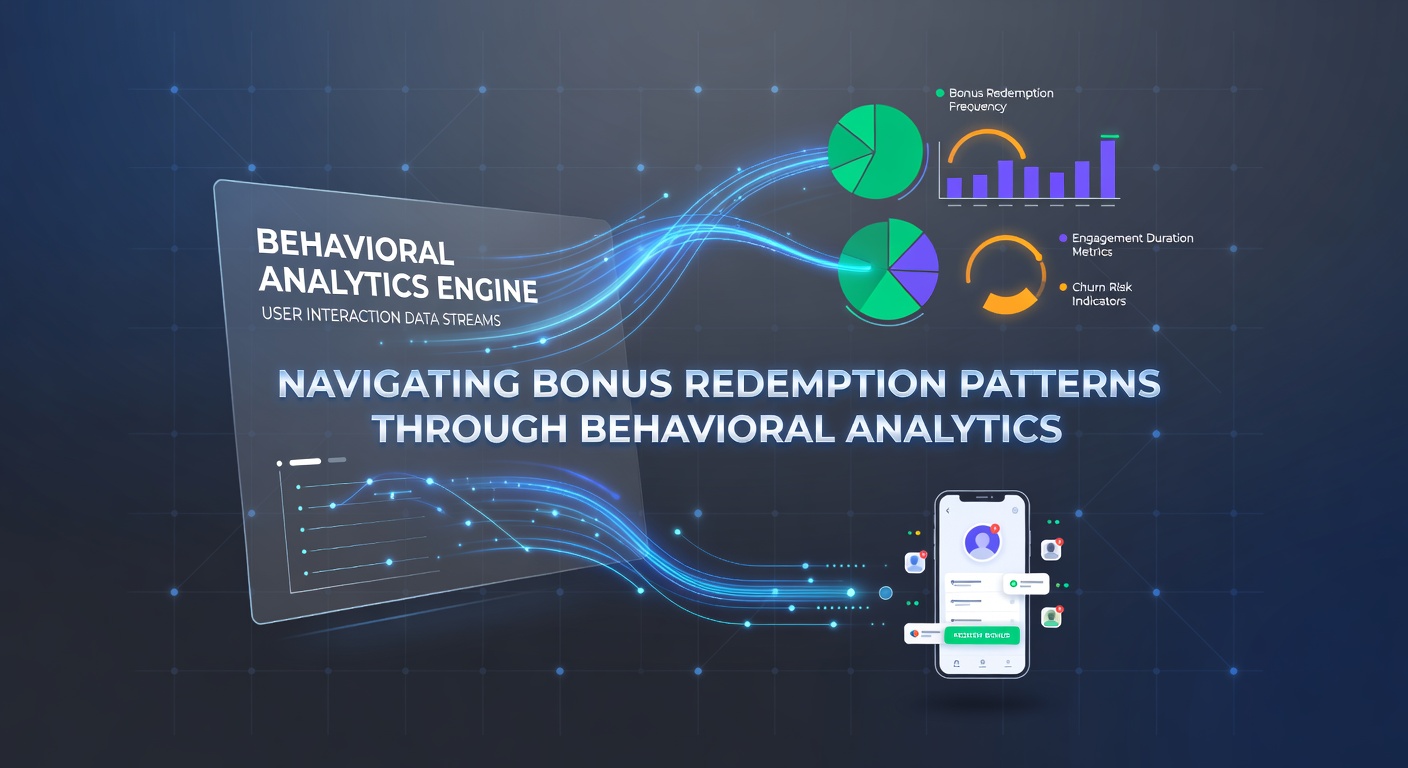
App-based wagering platforms track user interactions at scale, and behavioral analytics turns those data streams into clear pictures of how players approach bonus offers. Researchers at institutions across North America and Europe have mapped redemption sequences that repeat across thousands of accounts, revealing clusters of activity around deposit matches, free spins, and loyalty rewards. These patterns emerge because the apps log every tap, swipe, and session length, then apply statistical models to group similar behaviors.
Core Components of Behavioral Analytics in Wagering Apps
Platforms collect signals such as time between bonus claim and first wager, preferred game categories during promotional periods, and average stake size relative to bonus value. Machine-learning models then assign risk or engagement scores to each account, allowing operators to adjust offer visibility in real time. Data from the American Gaming Association shows that segmentation based on these scores improved redemption efficiency by measurable margins in several large U.S. markets during early 2026.
One common sequence involves players who claim a deposit bonus, place minimum qualifying bets across low-volatility slots, then cash out once wagering requirements clear. Another pattern shows high-frequency users who redeem multiple smaller bonuses within a single session and maintain steady bet sizes. Both groups leave distinguishable footprints in the telemetry, so systems flag them automatically and route tailored follow-up offers.
Observed Redemption Patterns in 2026 Data
Analysts reviewing logs from May 2026 noted a spike in bonus activations on weekday evenings between 8 p.m. and 11 p.m. local time. Accounts in this window tended to complete wagering requirements faster than weekend users, yet showed lower average deposit amounts. The difference correlates with session length rather than total volume, suggesting that shorter, focused sessions drive quicker redemptions when the bonus structure rewards steady play.
Geographic clusters also appear. Users in regions with stricter deposit limits often spread bonus redemptions across multiple smaller wagers, while accounts in less restricted markets concentrate bets on fewer, higher-stake rounds. These distinctions surface when platforms overlay regulatory data onto behavioral models, producing region-specific redemption curves that operators reference when designing new promotions.

Regulatory and Academic Perspectives
Authorities in several jurisdictions now request aggregated analytics reports as part of licensing renewals. The Nevada Gaming Control Board, for example, requires operators to demonstrate that bonus systems do not disproportionately target accounts flagged for at-risk behavior. Similar requirements appear in guidelines issued by the Malta Gaming Authority, which cross-references platform data with independent academic studies on player decision-making.
A research team at the University of Sydney published findings in late 2025 that examined redemption velocity across 1.2 million anonymized sessions. Their models identified three primary archetypes: rapid redeemers who finish requirements in under three hours, gradual users who spread activity over days, and selective redeemers who ignore most offers but activate high-value ones. Each archetype responds differently to interface changes such as countdown timers or personalized notifications.
Implementation Steps for Platform Teams
Development teams begin by defining measurable events inside the app, then pipe those events into a data warehouse. Next they train classification models on historical redemption outcomes, testing for accuracy against hold-out data sets. Once deployed, the system updates user profiles nightly and recalculates offer eligibility scores. Operators monitor false-positive rates closely, because over-filtering reduces overall bonus uptake and can affect revenue forecasts.
Testing occurs in controlled A/B environments where one cohort sees standard bonus screens while another receives dynamically adjusted messaging based on the analytics layer. Metrics tracked include claim rate, completion rate, and average time to requirement fulfillment. Results from these tests feed back into the model, tightening the alignment between observed behavior and predicted redemption likelihood.
Conclusion
Behavioral analytics supplies wagering platforms with a structured method for interpreting the wide variety of ways users interact with bonus offers. By mapping sequences, session timing, and regional differences, operators gain visibility into redemption flows that previously remained opaque. Continued refinement of these models, supported by regulatory reporting requirements and academic validation, keeps the underlying data reliable as markets expand through 2026 and beyond.