Mapping the Synchronization of Predictive Analytics with Loyalty Point Transfers Across Sports and Casino Interfaces in Unified Apps
Olivia Hayes · Aug 26, 2026
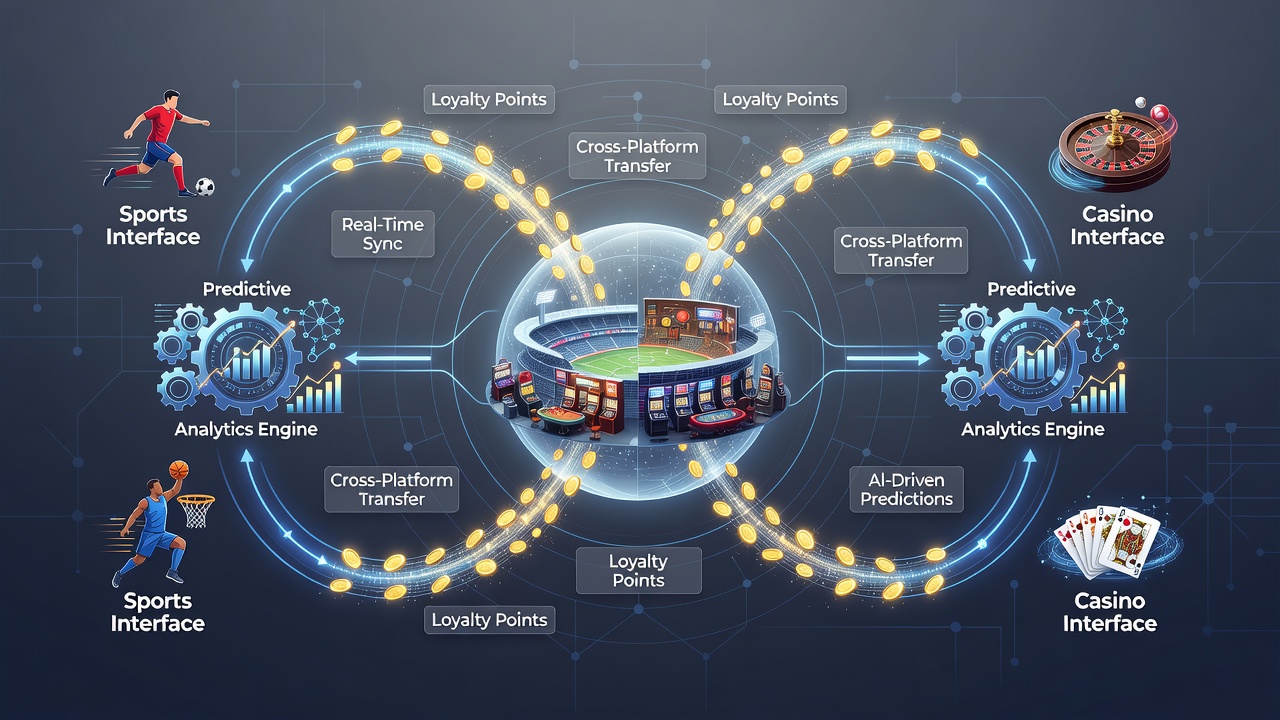
Mapping the Synchronization of Predictive Analytics with Loyalty Point Transfers Across Sports and Casino Interfaces in Unified Apps
Unified apps that combine sports betting with casino gaming have expanded their technical frameworks in recent years, and observers note that predictive analytics now play a central role in managing loyalty point transfers between these sections. Data flows from user activity on sports interfaces feed directly into casino reward calculations, while algorithms adjust point values based on predicted player behavior across both environments. Research from industry reports indicates that these systems rely on real-time data synchronization to maintain consistent reward structures without manual intervention from operators. Developments through August 2026 show several platforms updating their backend architectures to handle increased cross-interface transfers, and figures from the American Gaming Association reveal that loyalty program participation in unified apps grew by measurable margins during the first half of the year. Predictive models analyze historical betting patterns alongside casino session lengths to forecast optimal points allocation, which reduces discrepancies that previously arose when players switched between sports and table game sections.Core Components of Synchronization Frameworks
Engineers map synchronization through layered data pipelines that connect sports event outcomes with casino game results, and these pipelines use machine learning models trained on aggregated user datasets to predict point redemption likelihood. The process begins with event triggers such as a completed sports wager or a slot spin, after which analytics engines calculate point increments before routing them to a central loyalty ledger accessible from either interface.
Transfer mechanisms operate via API endpoints that validate point balances in both directions, while predictive scoring adjusts transfer rates according to projected future activity. For instance, a model might increase the value of sports-derived points when casino engagement metrics indicate a higher probability of extended play sessions in the coming days. Studies compiled by university research groups have documented similar patterns in multi-vertical gaming platforms where cross-category data sharing improves retention metrics.
Technical Mapping of Data Flows
Mapping exercises typically divide the architecture into ingestion, processing, and distribution stages, and each stage incorporates predictive layers that refine point values before final transfer. Ingestion captures raw activity logs from sports and casino modules, processing applies regression models to estimate loyalty impact, and distribution executes the actual point movement with audit trails for compliance. Observers have noted that this sequence minimizes latency issues reported in earlier versions of unified apps.
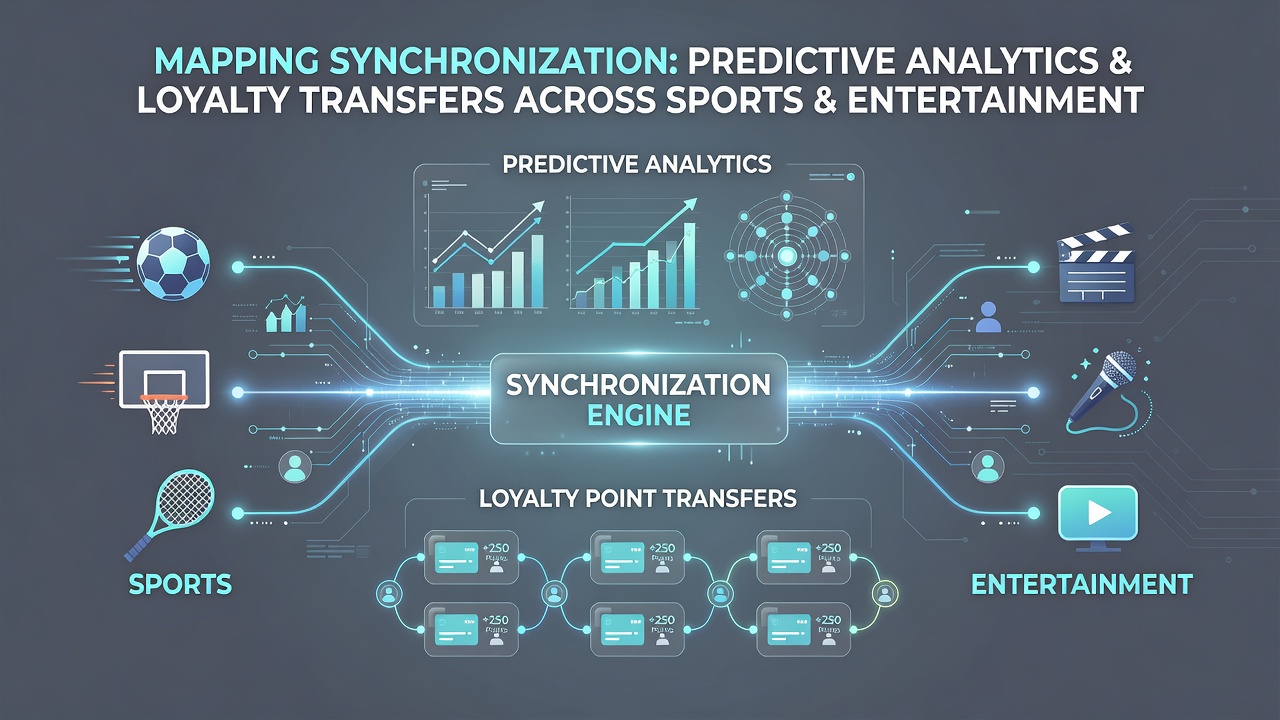
Additional checkpoints verify that point transfers respect regional regulatory thresholds, and algorithms flag unusual patterns for manual review when predictive confidence scores fall below set thresholds. European Gaming and Betting Association publications have outlined comparable technical standards adopted across several jurisdictions, emphasizing the need for transparent model documentation to support oversight processes.
Integration Challenges and Observed Solutions
Integration requires alignment of timestamp formats and currency conversions between sports odds engines and casino RNG systems, yet developers address these through standardized data schemas that predictive tools then use to simulate transfer outcomes. One documented approach involves running parallel simulations on historical datasets to test synchronization accuracy before live deployment, and results show reduced error rates in point balance calculations across interfaces.
Seasonal fluctuations in user preferences, such as increased sports activity during major leagues, prompt adjustments in the predictive parameters that govern casino point multipliers. Those who maintain these systems report that continuous retraining of models with fresh August 2026 data helps maintain synchronization stability despite shifting engagement volumes.
Conclusion
The mapping of predictive analytics with loyalty point transfers continues to evolve as unified apps scale their combined sports and casino offerings, and ongoing refinements focus on tighter integration between forecasting engines and transfer protocols. Evidence from multiple reporting bodies confirms that structured data synchronization supports consistent user experiences while meeting operational requirements across different regulatory environments.