How Biometric Authentication Reshapes Tiered Access Protocols for Live Event Wagering in Cross-Device Platforms
Olivia Hayes · Jul 6, 2026
How Biometric Authentication Reshapes Tiered Access Protocols for Live Event Wagering in Cross-Device Platforms
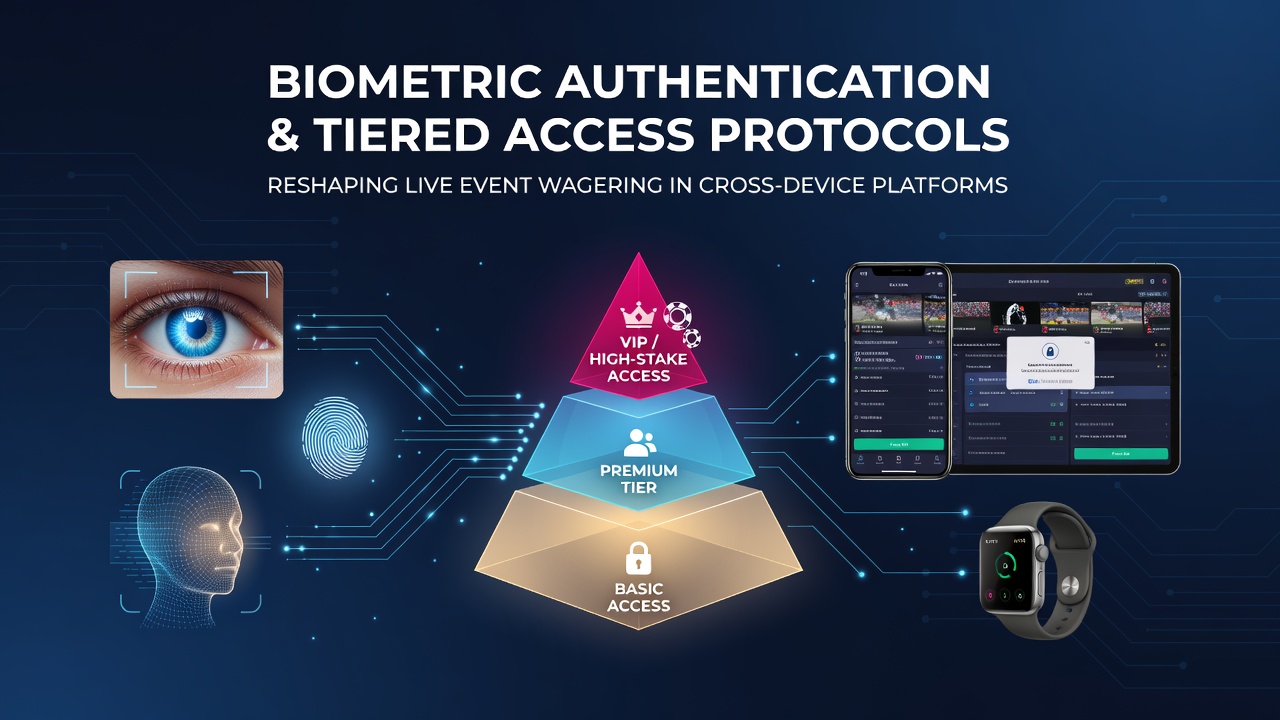
Biometric authentication has begun integrating into tiered access systems for live event wagering across multiple devices, and this shift alters how platforms manage user verification at different permission levels. Operators now rely on fingerprint scans, facial recognition, and voice patterns to confirm identities before granting entry to premium features such as real-time betting on major sports events or exclusive live dealer tables, while standard tiers use lighter checks that still meet regulatory thresholds.
Core Mechanisms Behind Biometric Tiering
Platforms assign access tiers based on risk profiles that incorporate biometric data points collected during initial enrollment, and these profiles update continuously as users interact across smartphones, tablets, and desktops. A user verified through facial recognition on a mobile device gains seamless progression to higher wagering limits on a connected laptop, whereas basic PIN entry restricts activity to lower-stakes options until additional biometric confirmation occurs.
Research from the Nevada Gaming Control Board shows adoption rates climbing steadily through mid-2026, with cross-device synchronization reducing verification friction by linking biometric templates stored in encrypted cloud repositories. This approach allows operators to enforce dynamic thresholds that adjust automatically when a device switch occurs during an ongoing live event.
Cross-Device Synchronization Challenges and Solutions
Device handoffs create potential security gaps because each platform must validate the same biometric signature without exposing raw data, and developers address this through tokenized matching protocols that transmit only hashed confirmations. When a bettor moves from a phone to a smart TV during a live match, the system re-authenticates using stored templates rather than requiring full re-enrollment, which maintains session continuity while preserving tier integrity.
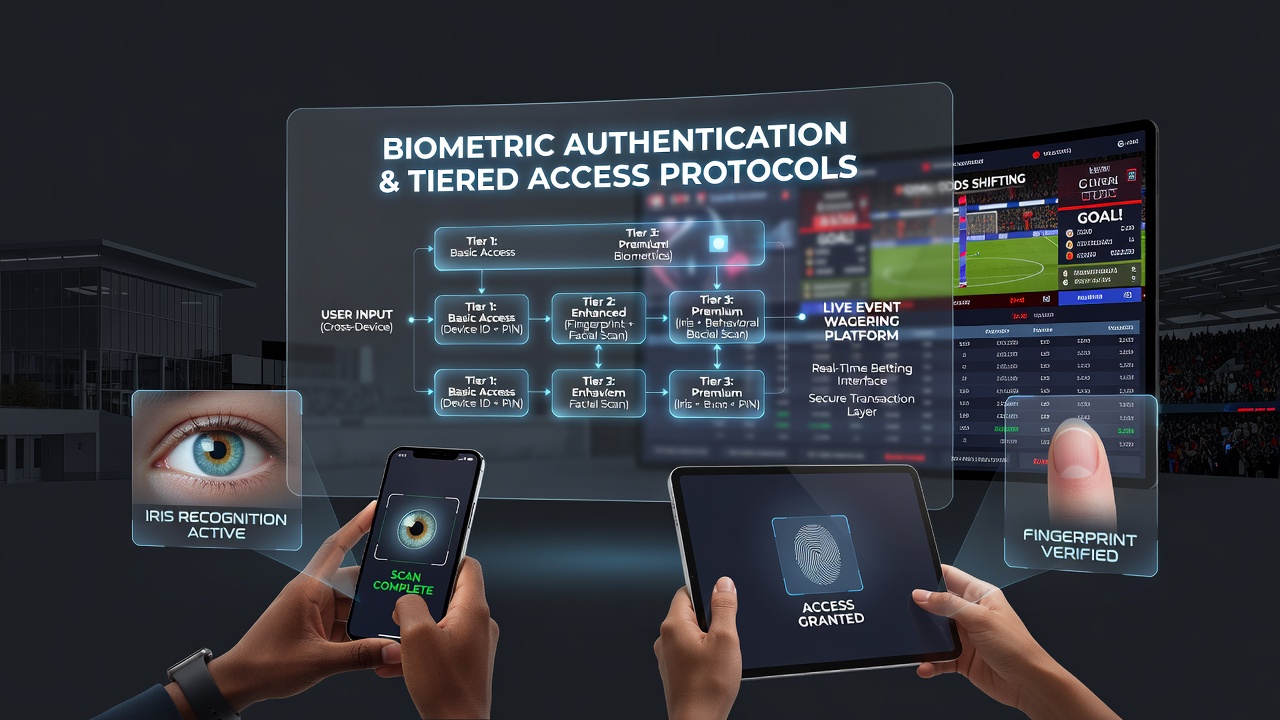
Industry reports indicate that error rates for multi-device biometric matching dropped below 0.3 percent in controlled trials conducted by Australian research institutions during the first half of 2026. These improvements stem from refined algorithms that account for lighting variations and device sensor differences, allowing consistent tier elevation without manual intervention.
Regulatory Landscape in July 2026
By July 2026 several jurisdictions had updated their guidelines to recognize biometric tiering as an acceptable method for meeting know-your-customer obligations in live wagering environments. Canadian provincial regulators, for instance, began accepting facial recognition logs as supplementary evidence alongside traditional identification documents, provided operators maintain audit trails that log every tier transition.
European data protection frameworks continue to require explicit user consent for biometric storage, and this requirement influences how platforms structure their tiered protocols to separate essential verification data from optional loyalty features. Operators that fail to segment these data flows risk compliance penalties, which encourages modular system designs that isolate biometric templates from general user profiles.
Impact on Live Event Wagering Workflows
Live event wagering benefits particularly from biometric tiering because rapid access changes during time-sensitive matches demand quick yet secure authentication, and systems now permit instant elevation from standard to premium tiers when biometric confirmation succeeds mid-event. This capability lets users place larger in-play bets on connected devices without interrupting the viewing experience.
Studies conducted by academic teams at institutions focused on digital security have documented reduced account takeover incidents in environments that combine biometrics with behavioral analytics, since layered checks detect anomalies such as unusual device locations or betting patterns even after initial verification succeeds. These findings support broader implementation across cross-device ecosystems.
Future Integration Patterns
Emerging standards from international gaming associations emphasize interoperability between biometric vendors and wagering platforms, which facilitates smoother tier management when users operate across competing ecosystems. Early adopters report that unified protocols cut support ticket volumes related to access issues by measurable margins during peak live event periods.
Observers note continued refinement in how platforms balance convenience against security, particularly when handling high-volume live wagering where tier transitions occur frequently. Data collected through July 2026 suggests that hybrid models combining biometrics with occasional knowledge-based challenges maintain compliance without sacrificing user flow.
Conclusion
Biometric authentication continues reshaping tiered access protocols by enabling fluid verification across devices while meeting regulatory and security demands specific to live event wagering. As implementation expands, the mechanisms that link biometric data to permission levels determine how effectively platforms serve users who switch devices during active betting sessions, and ongoing technical and regulatory developments shape the pace of further adoption.