How Algorithmic Matching of Player Preferences to Live Table Variants and Bonus Mechanics in App Ecosystems
Kai Powell · Jun 1, 2026
How Algorithmic Matching of Player Preferences to Live Table Variants and Bonus Mechanics in App Ecosystems
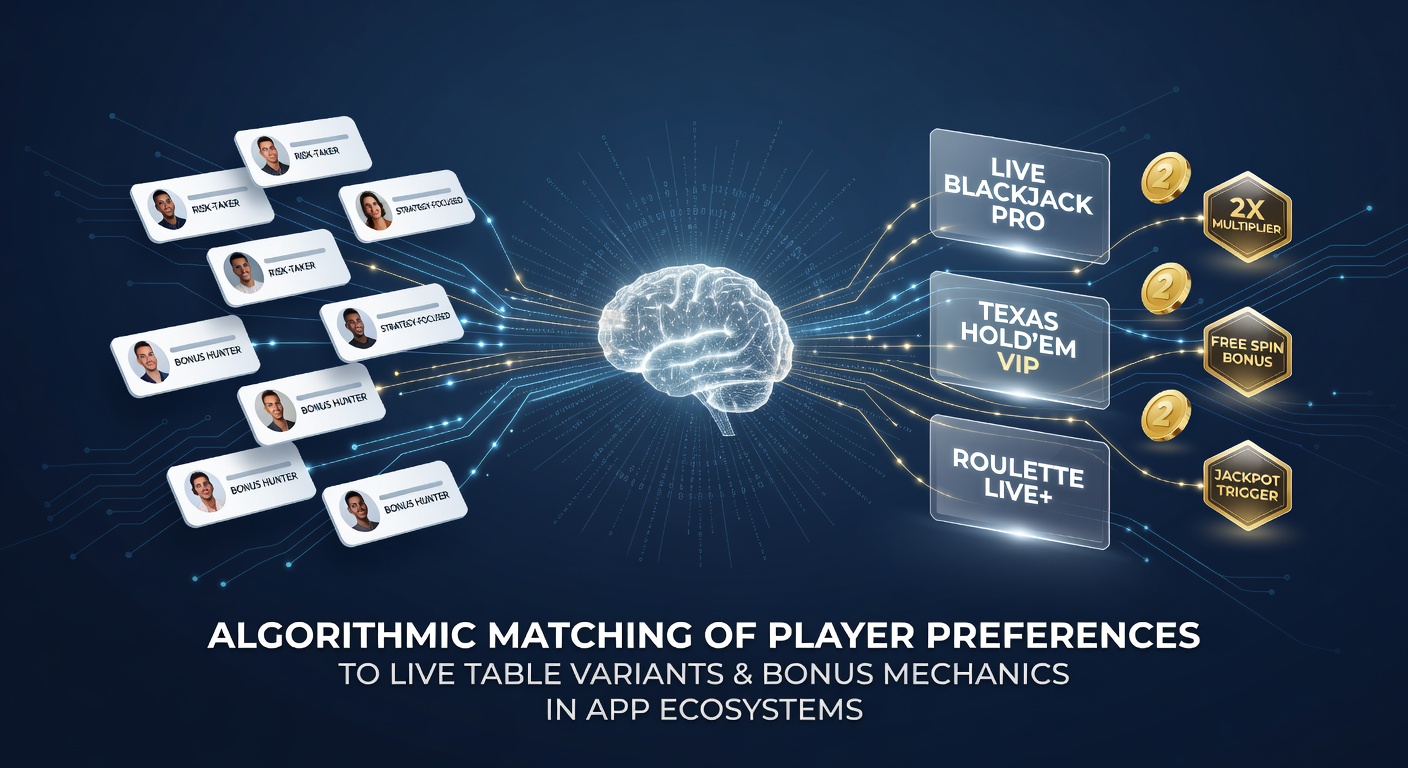
App-based gambling platforms rely on algorithmic systems that analyze user behavior patterns to connect individuals with suitable live table variants and bonus structures, and these processes draw from extensive datasets including session duration, game selection history, and interaction frequency. Researchers have documented how such matching occurs across multiple jurisdictions where online wagering operates under regulated frameworks, with data from June 2026 indicating continued growth in app downloads across several markets. The systems process information in real time, adjusting recommendations based on accumulated metrics rather than static profiles alone.
Data Collection and Preference Analysis
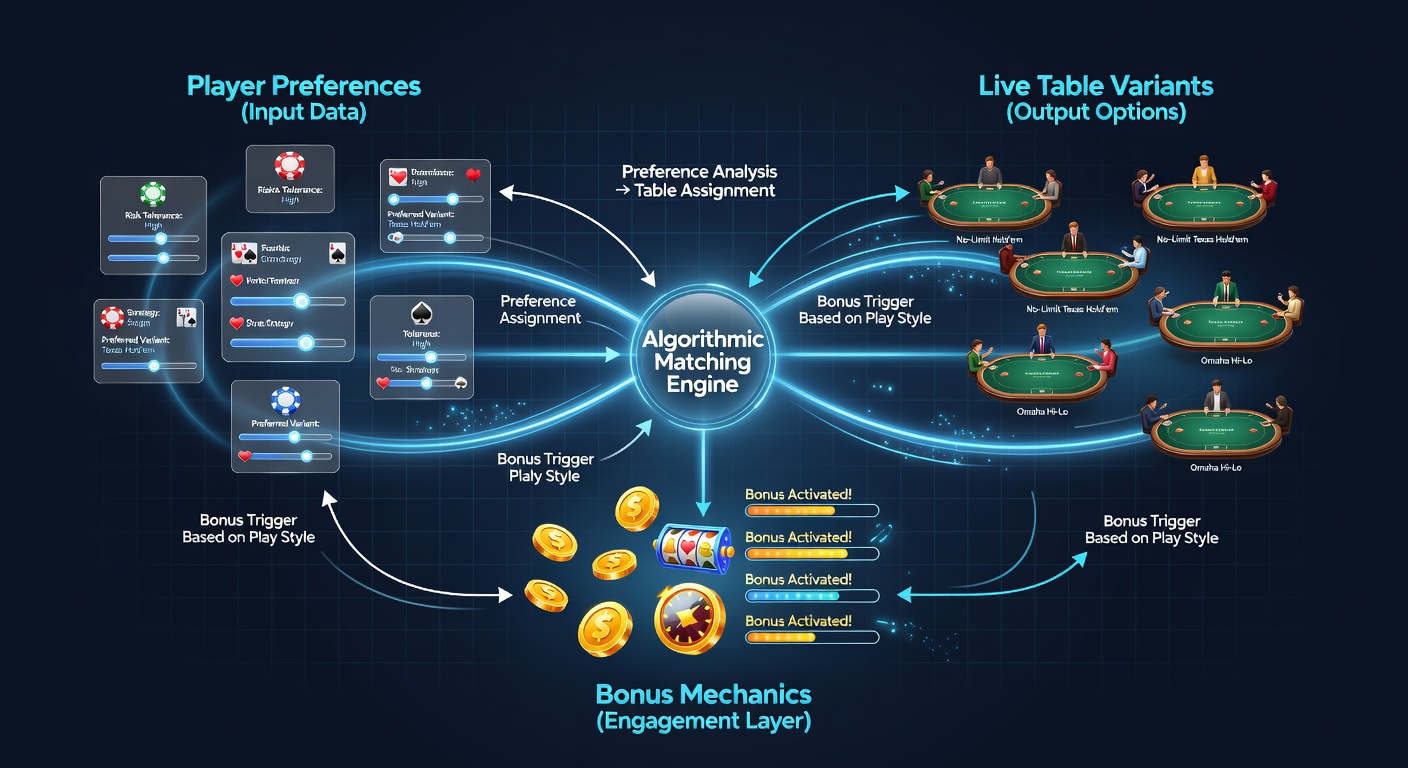
Platforms gather information through player accounts that track elements like preferred bet sizes, response times to game prompts, and frequency of table switches, while algorithms categorize these inputs into clusters that represent distinct preference groups. Observers note that this categorization allows for dynamic updates, so a user who spends extended periods at tables with specific rule sets receives suggestions aligned with those patterns. According to reports from the New Jersey Division of Gaming Enforcement, similar data practices support compliance monitoring in state-licensed environments, where operators must maintain transparent records of personalization features.
Algorithms further incorporate external factors such as time of day and device type, creating layered profiles that evolve with each session. Those who've examined these systems find that clustering techniques, often based on machine learning models, identify correlations between past choices and potential future engagement levels. Studies from academic institutions in Australia have highlighted how these models handle large volumes of anonymized data without requiring manual intervention for each recommendation cycle.
Matching to Live Table Variants
Live table options in app ecosystems include variations in rules, dealer speeds, and side bet availability, and algorithmic matching directs users toward tables that align with observed habits like quick decision-making or preference for particular card game formats. The process evaluates available tables in the current pool and ranks them according to compatibility scores derived from historical interactions. People often find that this reduces search time, as the interface surfaces relevant options first rather than presenting an undifferentiated list.
Integration with live streaming components means the algorithms account for visual and auditory elements as well, matching users who favor high-energy environments to tables with faster pacing. Data indicates that such refinements occur continuously, with adjustments made when new table variants enter rotation or when player metrics shift over multiple sessions. Industry analyses from Canadian regulatory bodies show that these matching functions operate alongside responsible gaming tools, providing operators with ways to flag unusual activity patterns.
Bonus Mechanics Integration
Bonus structures range from deposit matches to free play credits tied to table participation, and algorithms determine eligibility and presentation order based on the same preference data used for table matching. This creates sequences where a suggested table variant comes paired with a bonus that fits the user's typical spend level or session length. Research indicates that timing plays a role, with offers surfaced during moments when engagement metrics suggest higher receptivity.
Mechanics include progressive multipliers or tiered rewards that activate after certain table milestones, and the systems track progress automatically to deliver updates without user prompts. Observers have recorded instances where bonus types shift according to seasonal promotions or platform-wide events, yet remain anchored to individual patterns. Figures from European gaming associations reveal that such integrated approaches appear across multiple operator platforms operating under unified regulatory standards.
App Ecosystem Dynamics
App ecosystems encompass interconnected features including payment gateways, notification systems, and cross-game progression trackers, all of which feed into the central algorithmic framework. Developers design these environments so that preference matching influences not only table and bonus suggestions but also related elements like loyalty point accrual rates. Those who've studied deployment patterns note that updates to the algorithms often coincide with broader platform revisions, ensuring consistency across devices.
Interoperability between different live dealer providers allows the matching process to pull from wider inventories, increasing the range of variants available for recommendation. Data from June 2026 shows expanded partnerships between app operators and technology providers, resulting in more granular control over how preferences translate into displayed options. Regulatory filings in various regions document the technical specifications operators must meet when implementing these features.
Conclusion
Algorithmic matching in app ecosystems continues to evolve through iterative refinements to data processing and recommendation logic, supported by regulatory oversight and technical standards across operating regions. The combination of preference analysis, table variant alignment, and bonus integration forms a connected structure that adapts to usage patterns over time. Available records from government agencies and research groups provide ongoing documentation of these developments without revealing proprietary implementation details.