Decoding retention signals through layered incentive synchronization across portable entertainment networks
Kai Powell · Jun 17, 2026
Decoding retention signals through layered incentive synchronization across portable entertainment networks
Portable entertainment networks have expanded rapidly in recent years, and observers note that retention signals now emerge from multiple overlapping data streams rather than single metrics. Researchers track how users interact with mobile applications through patterns in session length, feature usage, and reward redemption timing, while synchronization of incentives across these layers helps platforms maintain engagement without relying on isolated promotions.
Mapping Core Retention Indicators
Analysts examine behavioral markers such as login frequency combined with in-app progression rates, and data collected through June 2026 shows consistent correlations between early reward triggers and longer-term activity. Portable networks integrate signals from push notifications, personalized offers, and social features, allowing operators to adjust incentive timing based on real-time user responses across different device types and regions.
Studies from institutions like the University of Nevada, Las Vegas reveal that users respond more steadily when incentives align with their established play patterns rather than generic schedules. Synchronization occurs when a platform coordinates bonus availability with loyalty tier advancements and live event participation, creating a feedback loop that reinforces continued interaction.
Layered Structures in Practice
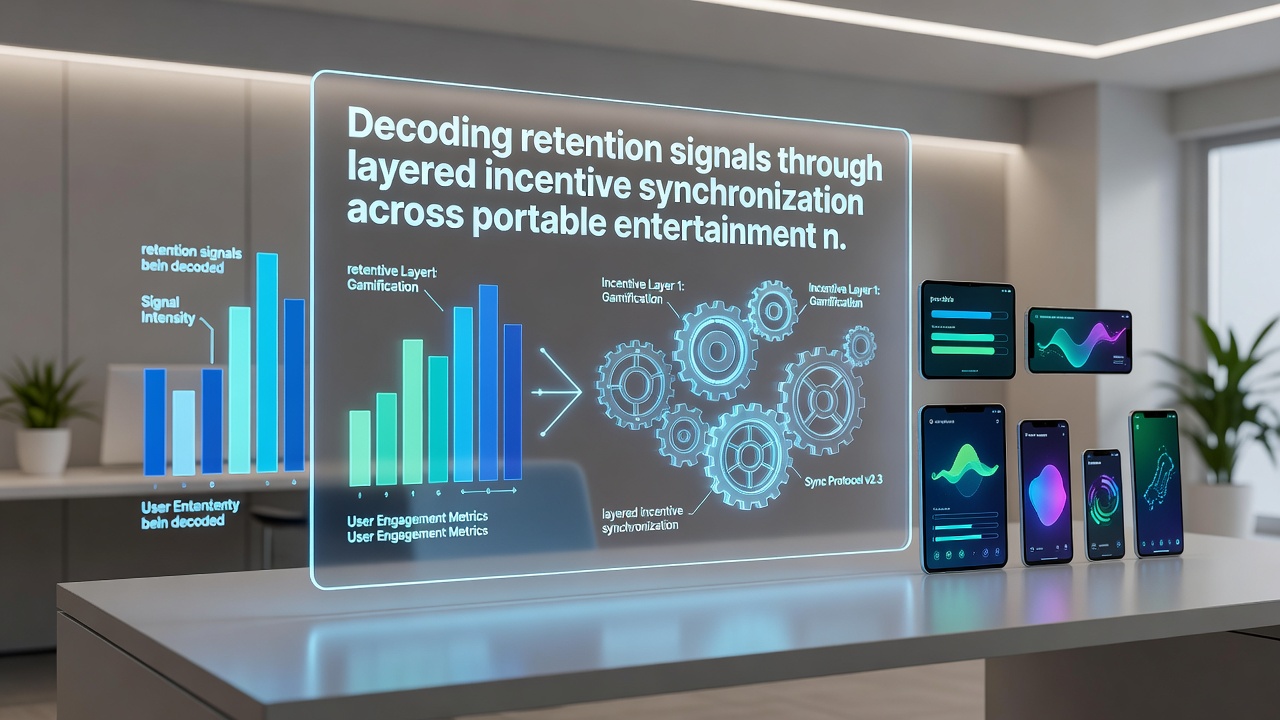
Entertainment applications typically organize incentives into tiers that activate at distinct moments during a user journey. Base-layer rewards might include daily login bonuses or small credit increments, while mid-layer elements tie into milestone achievements or community challenges, and top-layer benefits unlock through cumulative spending or referral activity. Operators synchronize these layers by feeding data from each into a central algorithm that predicts optimal delivery windows.
One documented approach involves matching time-sensitive offers with user-specific milestones, such as offering enhanced multipliers immediately after a completed challenge sequence. Figures from industry reports indicate this method reduces drop-off rates during transitional periods between active sessions, particularly in cross-platform environments where users switch between tablets and smartphones.
Cross-Network Data Integration
Portable networks often share anonymized datasets to refine incentive models across partnered services, and synchronization extends to external factors like regional events or seasonal content updates. In June 2026 several major platforms reported testing unified reward systems that link mobile slot progressions with live dealer table participation, allowing points earned in one environment to influence offers in another.
Regulatory bodies such as the Gambling Regulatory Authority of Singapore have noted increased scrutiny of these integrated systems, focusing on transparency in how user data informs layered rewards. Academic reviews from Canadian research centers highlight that effective synchronization requires careful calibration to avoid overwhelming users with simultaneous prompts from different network segments.
Observed Patterns and Adjustments
Platforms monitor how retention curves shift when incentive layers activate in sequence versus simultaneously, and findings suggest sequential delivery often sustains engagement over longer periods. Data indicates users who receive coordinated offers across notification channels and in-app messages demonstrate steadier activity levels compared with those exposed to uncoordinated campaigns.
Adjustments made mid-2026 incorporated machine learning models that recalibrate synchronization speeds based on aggregate user cohorts segmented by geographic location and preferred device. These models draw from historical redemption rates to forecast which layer combinations produce the strongest retention signals without increasing churn indicators.
Conclusion
Decoding retention through synchronized incentives continues to evolve as portable entertainment networks incorporate more granular data sources and cross-application linkages. Observers expect further refinements in algorithmic timing and layer coordination as platforms respond to regulatory guidance and usage trends observed through mid-2026. The approach relies on consistent measurement of behavioral signals combined with precise delivery mechanisms that respect both user preferences and operational constraints across diverse network environments.